How to Create a Customized Diet Plan
Creating a customized diet plan can be a transformative journey toward better health and well-being. With the overwhelming amount of information available about diets, it can be challenging to know where to start. This guide will walk you through the steps to create a personalized diet plan that suits your lifestyle, preferences, and health goals.
Understanding Your Goals
Before diving into the specifics of meal planning, it’s essential to define your goals. Are you looking to lose weight, gain muscle, improve your overall health, or manage a specific health condition? Understanding your objectives will help shape your diet plan.
Setting SMART Goals
To make your goals more actionable, consider using the SMART criteria:
Specific: Define exactly what you want to achieve. For example, "I want to lose 10 pounds in three months."
Measurable: Ensure that you can track your progress. This could involve weighing yourself weekly or keeping a food diary.
Achievable: Set realistic goals based on your current lifestyle and commitments.
Relevant: Your goals should align with your overall health aspirations.
Time-bound: Set a deadline to keep yourself accountable.
Assessing Your Current Diet
Next, take a close look at your current eating habits. This assessment will provide insight into what changes you need to make.
Keeping a Food Diary
For at least a week, keep a detailed food diary. Note everything you eat and drink, including portion sizes. This will help you identify patterns, such as:
High-calorie snacks: Are you reaching for chips or sweets often?
Skipped meals: Are you missing breakfast or lunch regularly?
Beverage choices: Are sugary drinks a staple in your diet?
Evaluating Nutritional Intake
Once you have your food diary, evaluate your nutritional intake. Are you getting enough fruits, vegetables, whole grains, and lean proteins? Tools like MyFitnessPal or Cronometer can help analyze your diet and identify areas for improvement.
Designing Your Customized Diet Plan
With your goals and current eating habits in mind, it’s time to design your customized diet plan.
Choosing the Right Foods
Focus on incorporating a variety of nutrient-dense foods into your diet. Here are some categories to consider:
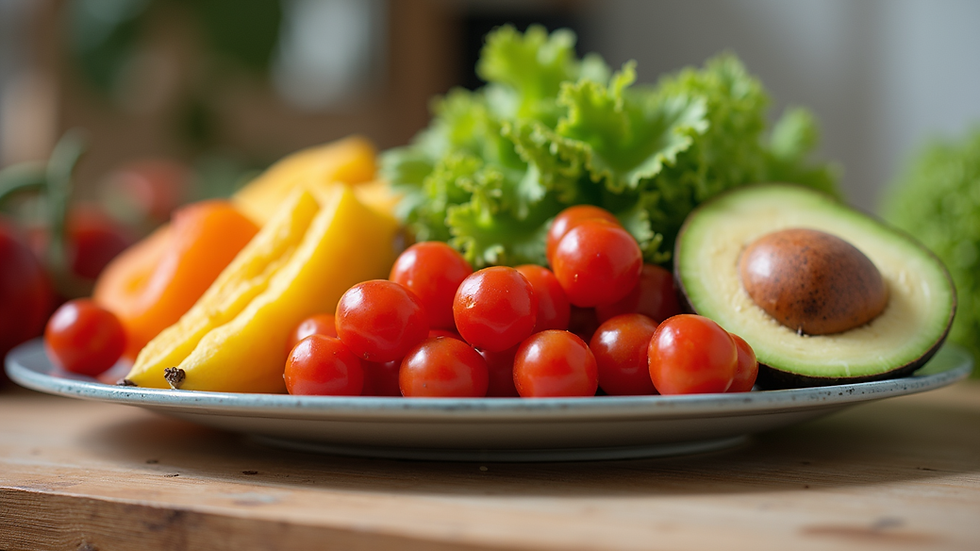
Fruits and Vegetables: Aim for a colorful plate. Different colors often represent different nutrients.
Whole Grains: Choose brown rice, quinoa, and whole-grain bread over refined grains.
Lean Proteins: Include sources like chicken, fish, beans, and legumes.
Healthy Fats: Incorporate avocados, nuts, seeds, and olive oil.
Meal Planning
Plan your meals for the week ahead. This not only saves time but also helps you stick to your diet. Here’s a simple framework:
Breakfast: Start your day with a balanced meal. Consider oatmeal topped with fruits or a smoothie with spinach and protein powder.
Lunch: Opt for a salad with a variety of toppings or a whole-grain wrap filled with lean protein and veggies.
Dinner: Focus on a protein source, a whole grain, and plenty of vegetables. For example, grilled salmon with quinoa and steamed broccoli.
Snacks: Keep healthy snacks on hand, such as Greek yogurt, nuts, or sliced vegetables with hummus.
Staying Hydrated
Don’t forget about hydration. Water plays a crucial role in overall health. Aim for at least 8 cups (64 ounces) of water daily, adjusting based on your activity level and climate.
Tips for Staying Hydrated
Carry a reusable water bottle.
Set reminders to drink water throughout the day.
Infuse your water with fruits or herbs for added flavor.
Monitoring Progress
As you implement your customized diet plan, it’s vital to monitor your progress. This will help you stay motivated and make necessary adjustments.
Tracking Changes
Weight: Weigh yourself weekly to track changes.
Energy Levels: Note how you feel throughout the day. Are you more energetic or focused?
Health Markers: If applicable, keep track of any health markers, such as blood pressure or cholesterol levels.
Adjusting Your Plan
If you find that you’re not meeting your goals, don’t hesitate to adjust your plan. This could mean changing portion sizes, trying new recipes, or even consulting a nutritionist for professional guidance.
Overcoming Challenges
Creating and sticking to a customized diet plan can come with challenges. Here are some common obstacles and how to overcome them:
Social Situations
Eating out or attending social gatherings can make it difficult to stick to your diet. Here are some strategies:
Plan Ahead: Check the menu before going out and choose healthier options.
Eat Beforehand: Have a healthy snack before attending events to avoid temptation.
Communicate: Let friends and family know about your dietary goals. They may offer support or help you make healthier choices.
Cravings
Cravings can derail even the best-laid plans. Here’s how to manage them:
Mindful Eating: Pay attention to your hunger cues. Are you truly hungry, or is it boredom or stress?
Healthy Alternatives: Find healthier versions of your favorite snacks. If you crave sweets, try fruit or dark chocolate.
Stay Busy: Distract yourself with activities that keep your mind off food.
Seeking Professional Guidance
If you’re feeling overwhelmed or unsure about creating a customized diet plan, consider seeking help from a registered dietitian or nutritionist. They can provide personalized advice based on your unique needs and goals.
Benefits of Professional Support
Expertise: Nutritionists have the training to help you navigate dietary choices.
Accountability: Regular check-ins can keep you motivated and on track.
Tailored Plans: Professionals can create a diet plan specifically designed for you.
Conclusion
Creating a customized diet plan is a personal journey that requires self-reflection, planning, and commitment. By understanding your goals, assessing your current habits, and designing a plan that works for you, you can achieve lasting health benefits. Remember to stay flexible and adjust your plan as needed. The key is to find a balance that supports your lifestyle and health aspirations.
Take the first step today by setting your goals and starting your food diary. Your journey to a healthier you begins now!

Comments